Pack a carry-on for the trip you are actually taking
A step-by-step carry-on packing method for a city break, from airline checks and outfit planning to toiletries, useful pockets and a final lift test.
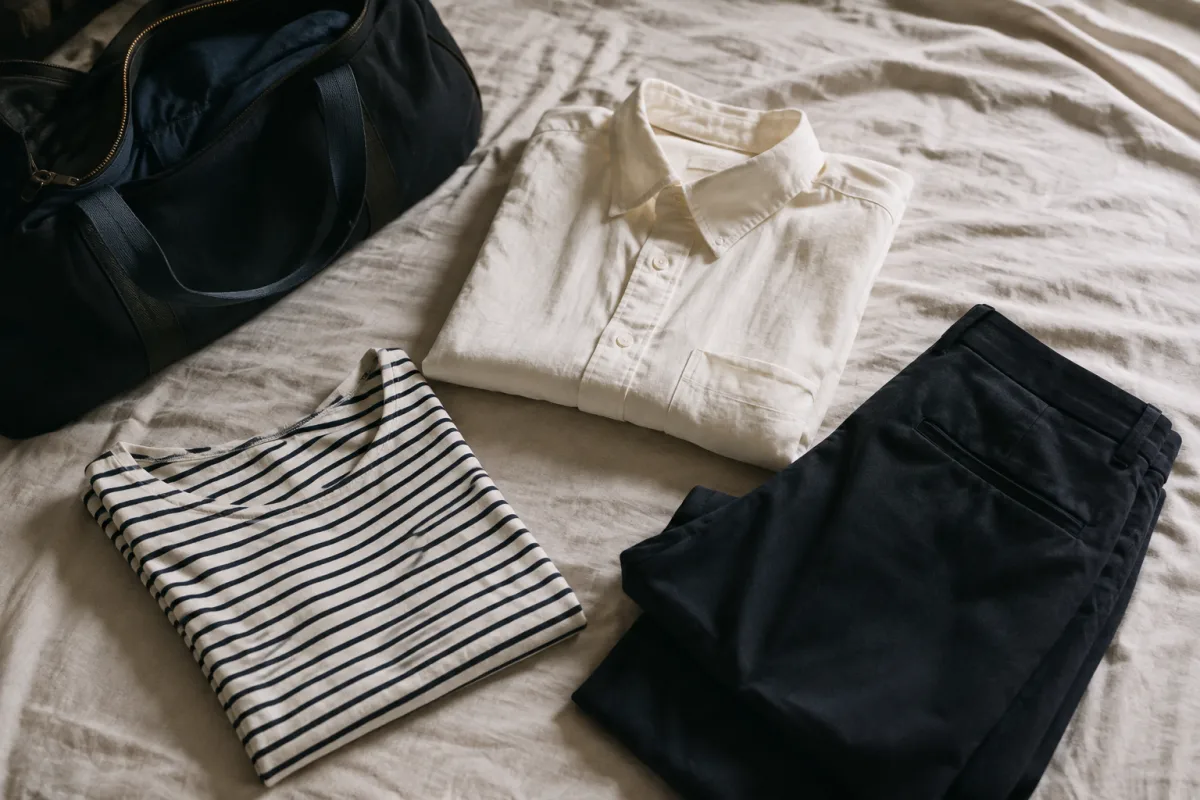
In this story
The most useful packing question is specific: what will I need between leaving home and coming back? It is more effective than asking what might be useful somewhere, at some point.
For a city break, organise your bag around the journey, the days away and the return. The method below is an editorial checklist, not a promise that a particular bag or packing list will qualify for every flight.
Check the ticket before choosing the suitcase
Confirm the allowance with the airline operating each part of your journey. Look at the number of permitted items, their dimensions, weight limits and any restrictions associated with your fare or aircraft. A bag described by a shop as a carry-on is not an airline approval.
For example, Delta's official carry-on page specifies its limits, including handles and wheels, and notes exceptions and partner-airline differences. Use the corresponding official page for your own flight rather than applying one carrier's allowance everywhere.
Measure the packed bag, especially if it expands or bulges. If the allowance includes a weight limit, weigh it with everything inside. Keep enough room to close it comfortably without relying on a final struggle with the zip.
Pack outfits, then count the supporting pieces
Choose complete outfits for the activities you have planned. Reuse compatible bottoms and layers where that suits you, while packing enough fresh essentials for the trip. Our twelve-piece city wardrobe is one possible starting point.
Place your largest shoes beside the bag before committing to them. If they require a disproportionate amount of space for one speculative occasion, reconsider the occasion or the shoes. Protect the rest of your belongings from dirty soles using a suitable separate bag.
Set aside the outfit you will travel in. Otherwise it is easy to accidentally count it as packed clothing, or to bury a layer you will want at the airport.
Decide what needs to stay within reach
Separate the items you may need during the journey from the things you will use at your accommodation. Travel documents, personal essentials and something to read should not require opening the entire suitcase in a queue.
Use a small number of consistent locations: one for documents, one for electronics and one for personal care. More pouches are not automatically more organised. If you cannot remember which pouch holds something, simplify the system.
Consider what you would need to remove if your larger cabin bag had to be checked. Follow the airline's current instructions for restricted items, batteries and valuables; do not rely on a generic packing article to decide how those items should travel.
Edit toiletries by the number of uses
Think in mornings and evenings. Pack the products you actually use and suitable amounts for the trip, keeping labels and containers appropriate to their contents. Avoid trying several unfamiliar products simply because their packaging is smaller.
For departures subject to TSA screening, the TSA travel checklist summarises the standard liquids rules. Check current rules and any applicable exceptions directly, including at transfer and return airports. A regulation that applies to one checkpoint does not establish the rules for the entire itinerary.
Choose leak-resistant containers you have already tested, close them carefully and keep liquids separate from clothing and electronics. No packing method can make an unreliable cap dependable.
Choose a packing method you can repeat
Folding, rolling and packing cubes can all create an orderly bag. Pick the method that suits the shapes of your clothes and lets you find things without unpacking everything. Do not compress delicate or structured items merely to obtain a smaller bundle.
Place the items you will use first where you can reach them easily. Keep a separate space for worn clothing on the return. It does not have to be an elaborate laundry system; it just needs to stop you mixing up what is ready to wear.
Do the final lift test
Close the bag, lift it and carry it in a way that resembles your actual journey. Consider stairs, pavements, transfers and any personal access needs. A bag that technically fits an allowance may still be the wrong bag for the trip.
Then remove one speculative duplicate: the extra outfit without an occasion, the second book you do not expect to open, or the accessory that works with only one unlikely combination. Keep essential personal items; edit the imaginary itinerary.
Before leaving home
- Airline allowance checked for every operating carrier.
- Packed size and weight checked where relevant.
- Documents and journey essentials easy to reach.
- Toiletries checked against the applicable screening rules.
- A place reserved for worn clothing and the return journey.
Official travel references checked 5 September 2026. Confirm the rules for your own itinerary before departure.